How to Find the Best Cabinet Painters for a Smooth, Lasting Finish
Finding the right cabinet painter matters more than most homeowners expect. Kitchens and bathrooms take daily wear, so cabinets need more than a quick color change. They need a finish that looks smooth, resists chips, and makes old surfaces feel new again.
The best cabinet painters know how to pair good prep with durable products and careful technique. If you're comparing options, a specialist like Dr. Cabinet is worth a look because the company focuses on cabinet repair and refinishing, not full replacement. That can save money and still deliver a fresh, high-end result. The details below will help you compare painters, spot quality work, and avoid expensive mistakes.
What sets the best cabinet painters apart from a basic paint crew
A general painter can handle walls, trim, and ceilings. Cabinets are different. They have tight corners, heavy hand contact, grease buildup, and surfaces that show every flaw. That's why the best cabinet painters follow a process built for doors, drawers, frames, and hardware.
Cabinet specialists clean every surface, sand for adhesion, prime the right way, and control dust before any topcoat goes on. They also know when to spray doors off-site or in a contained area for a smoother finish. That extra care is what separates a cabinet job that lasts for years from one that starts peeling in months.
This is also why companies like Dr. Cabinet stand out. The focus is on restoring and improving cabinets instead of replacing them, which gives homeowners a better-looking kitchen without the mess and cost of a full tear-out.
Why prep work matters more than the paint itself
Paint gets the credit, but prep work does the heavy lifting. Cabinets collect grease, soap film, fingerprints, and old polish. If that stays on the surface, new paint can't bond well.
A solid cabinet process includes cleaning, degreasing, sanding, chip repair, dent filling, and proper primer. Skip one of those steps, and problems show up fast. You may see brush marks, rough spots, peeling edges, or a finish that feels soft long after the job is done.
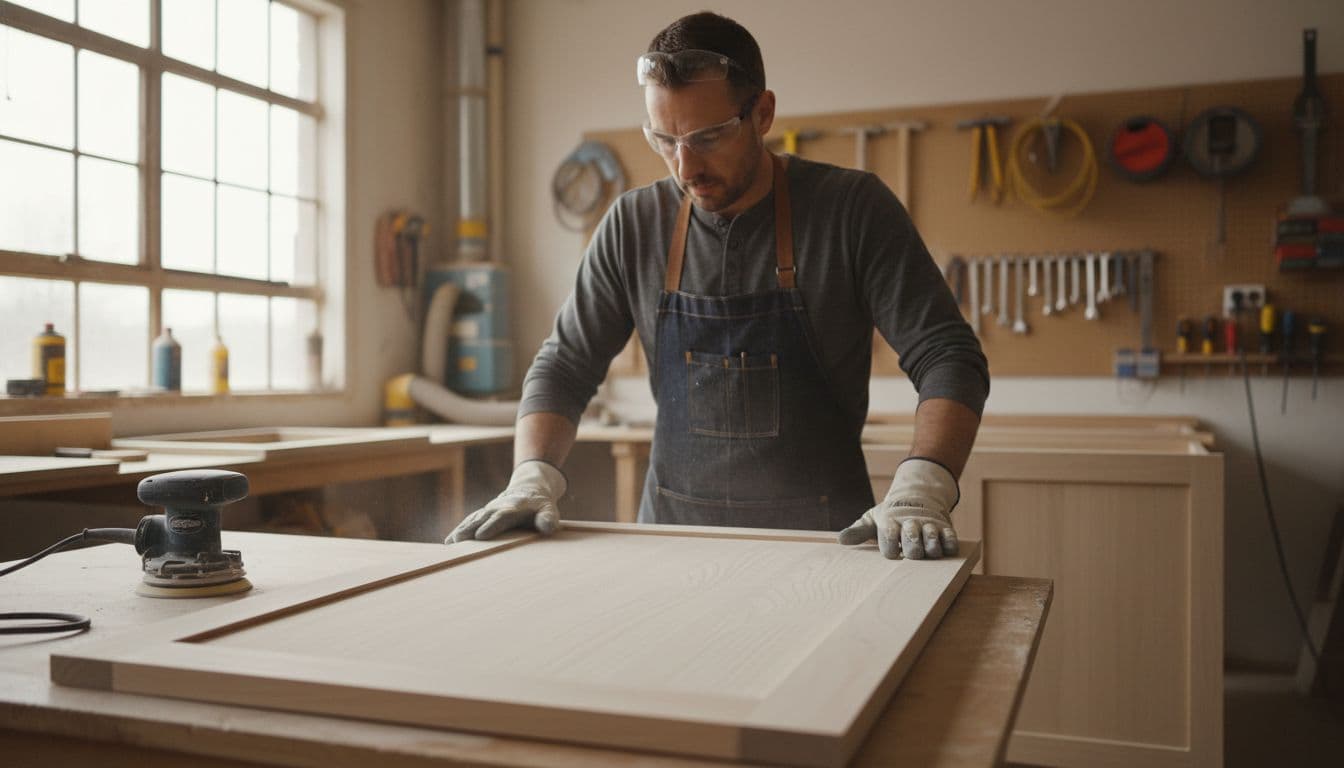
Good prep also helps old cabinets look straighter and cleaner. Small repairs make a big visual difference, especially on shaker doors and worn drawer fronts.
The signs of a factory-quality finish
A strong finish looks calm and even under bright light. You shouldn't see drips, thick corners, rough edges, or paint packed around hinges. Instead, the surface should feel smooth, hard, and consistent from one door to the next.
Spray application is often part of a high-end cabinet process because it lays down thin, even coats. That matters on wide panels and detailed profiles where roller marks can stand out.
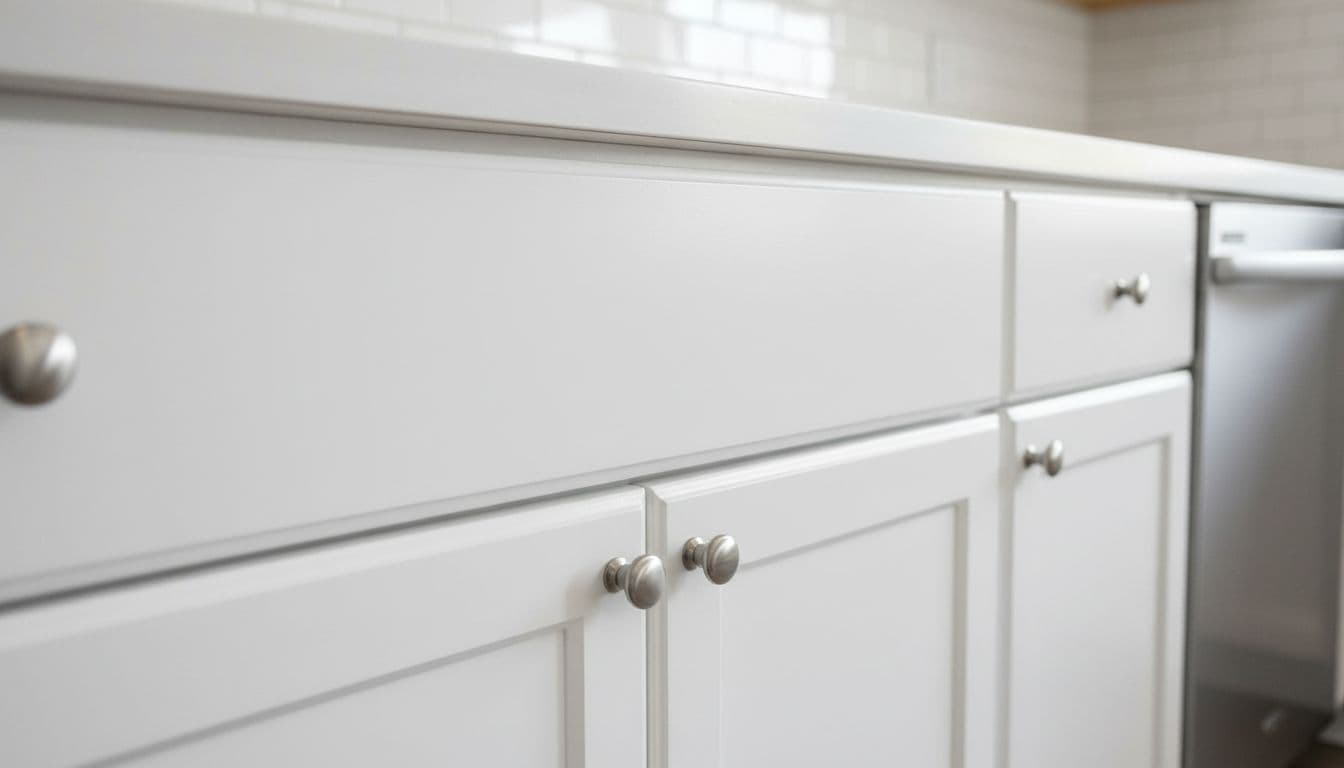
Look closely at the edges and hardware lines. Clean lines usually mean careful masking, proper drying time, and a painter who treats cabinets like finish carpentry, not wall paint.
How to compare cabinet painters before you hire one
Choosing a cabinet pro gets easier when you compare process, proof, and follow-through. When you compare the best cabinet painters, don't focus on price alone. A lower quote can hide weak prep, cheap materials, or rushed labor.
Use this quick checklist as you narrow the field:
- Ask how much of their work is cabinet-specific.
- Read recent reviews, not only star ratings.
- Look for before-and-after photos with close-up details.
- Compare written estimates line by line.
- Check whether a warranty is included.
- Ask if they handle repairs along with painting.
That last point matters more than many homeowners realize. Dr. Cabinet can help with cabinet repair, refinishing, refacing, and installation, so problems don't get ignored halfway through the job.
If a painter treats cabinet damage as "not part of the job," you may end up paying twice.
Questions that reveal real experience
A short conversation can tell you a lot. Ask how long they've worked on cabinets, what primer and topcoat they use, and whether they remove doors and drawers before finishing. You should also ask how they label hardware and protect floors, counters, and nearby rooms.
Painters with real cabinet experience usually answer with clear steps. They talk about degreasing, sanding, priming, spraying, cure time, and dust control. They don't stay vague, and they don't act annoyed by details.
Red flags that usually lead to bad results
Watch for fuzzy pricing, no portfolio, no warranty, or promises that sound too fast. Cabinets take time because each layer has to bond and dry the right way. A crew that says they can finish everything in a day may be skipping key steps.
Also be careful if they plan to paint doors in place or avoid repairs on chipped edges. Poor prep often leads to peeling around handles, uneven sheen, and visible wear long before it should.
What the best cabinet painters should offer from start to finish
The best cabinet painters make the process clear before work begins. You should get a detailed estimate, finish guidance, a realistic timeline, and a plan for repairs. Then the job should move in a clean order: removal, labeling, prep, priming, painting or refinishing, reassembly, and cleanup.
That full-service approach makes the project less stressful. Dr. Cabinet is a good example because the work can include touch-ups, refinishing, hardware updates, and cabinet adjustments, not only paint.
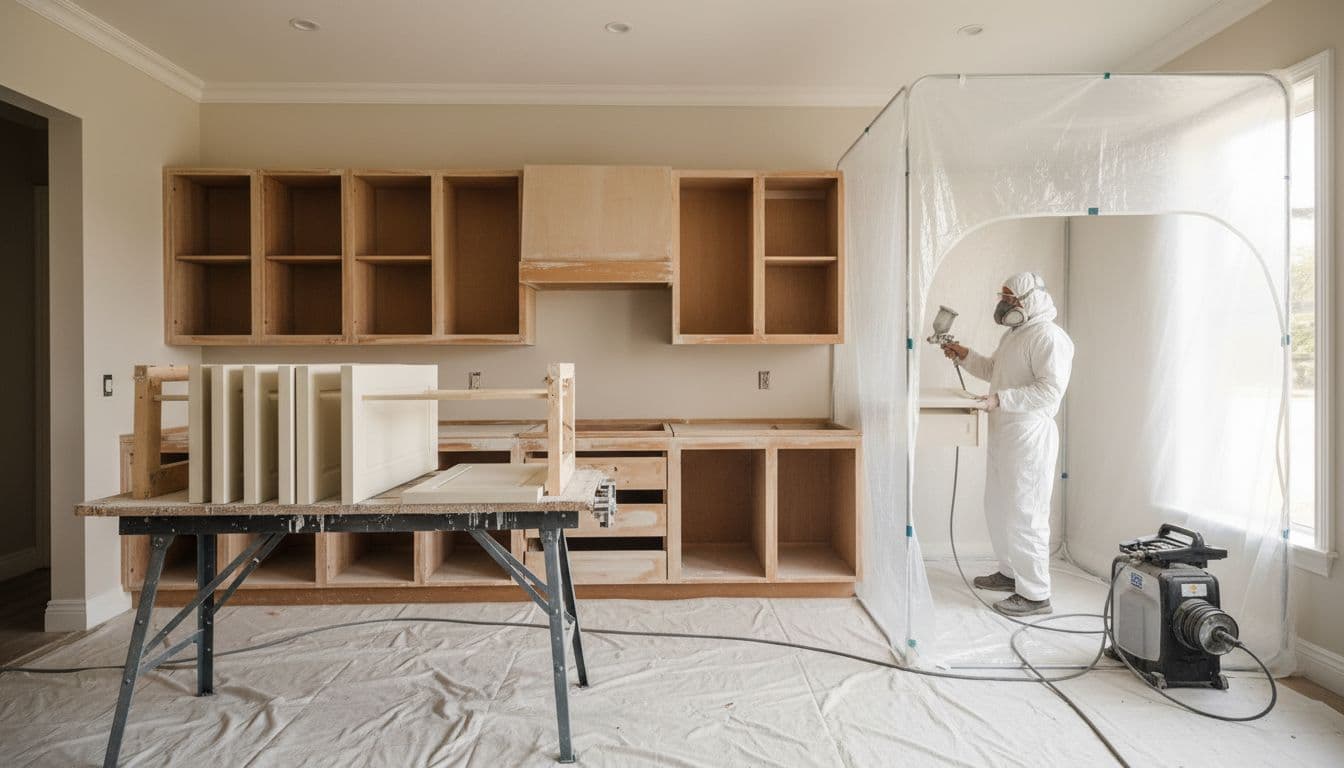
You should also expect honest color advice. Some shades show fingerprints more easily, while some finishes hide wear better in busy kitchens. A good painter explains those tradeoffs before the first coat goes on.
Services that add value beyond painting
Paint improves the look, but added services improve daily use. Door and hinge adjustments help cabinets close right. Drawer repair fixes sagging or sticking. New hardware can update the style without a full remodel.
Some homeowners also benefit from refacing, interior organizers, or small cabinet modifications. Dr. Cabinet handles those details, which can make old cabinets look better and work better at the same time.
Why warranty and follow-up support matter
A written warranty shows that a company stands behind its prep and finish. That's important because cabinet issues may not appear on day one. A hinge may shift, a drawer may rub, or a problem area may need a touch-up after the finish cures.
Follow-up support matters for the same reason. Dr. Cabinet gives homeowners a place to turn if something needs adjustment after the project wraps up. That peace of mind is part of the value.
Final Thoughts
The best cabinet painters bring more than color. They bring careful prep, clean application, honest communication, and a finish that holds up to real life.
Take time to compare specialists before you hire anyone. If you want cabinets that look renewed instead of merely painted, get a free estimate from Dr. Cabinet and choose a team that handles repair and refinishing with the same care as the final coat.


Comments
Post a Comment